




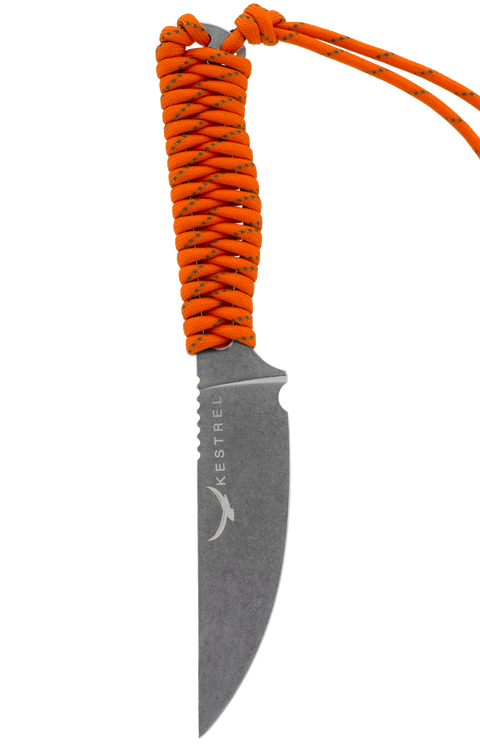
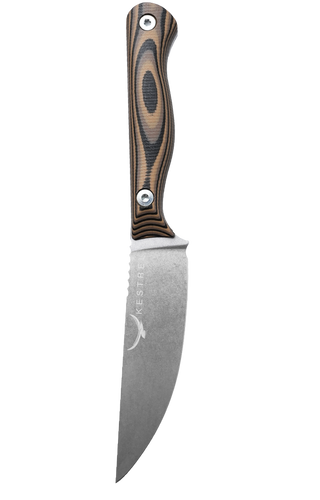
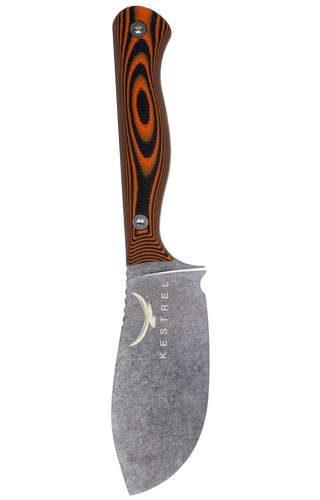
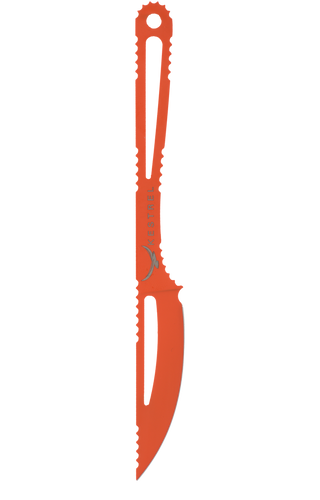



Ovis Hunter 2.0 vs. Mountain Scalpel 2.0 vs. Skeleton Skinner 2.0 vs. Mountain Caper 2.0
Not every hunting knife needs to do the same job, and that's exactly why we offer different models.
Some hunters want the lightest setup possible. Others want a traditional fixed blade that can handle just about everything. Some want a dedicated skinner that barely registers in the pack. And some need a smaller, more precise knife for detailed work around the cape.
I'm going to walk you through four of our models, explain where each one shines, and help you figure out which makes the most sense for the way you hunt.


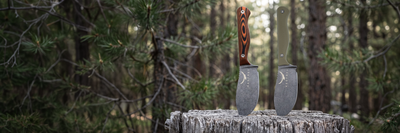
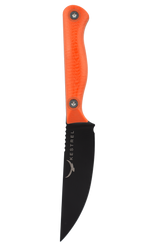
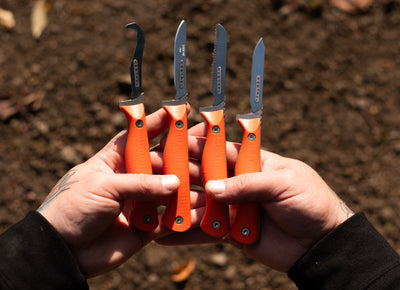
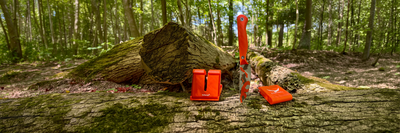
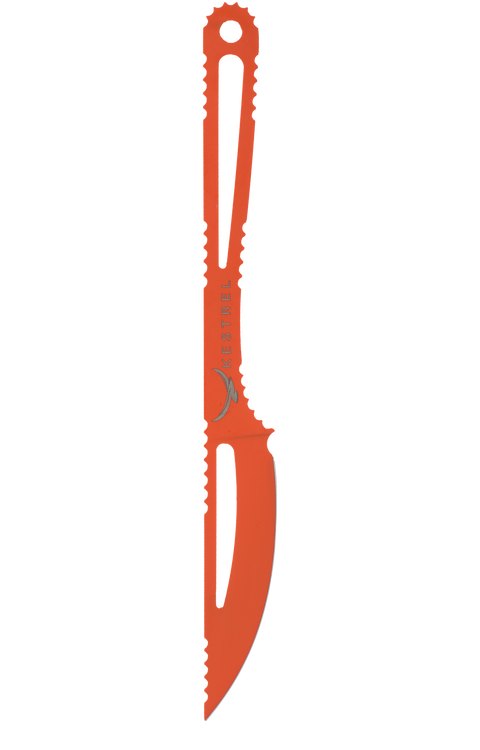
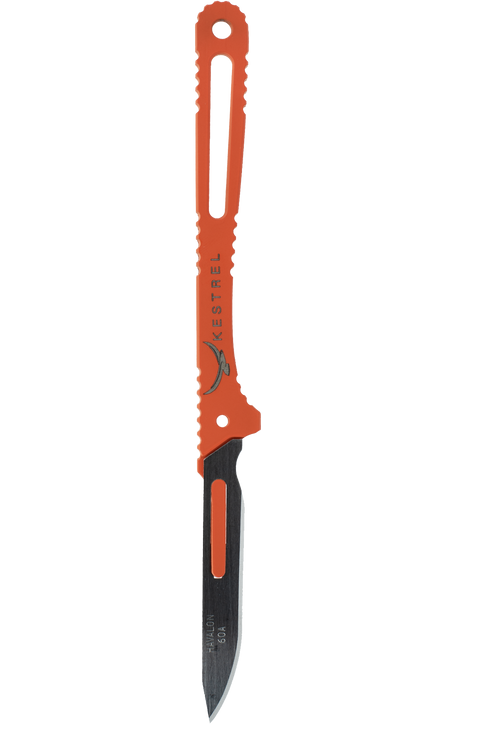
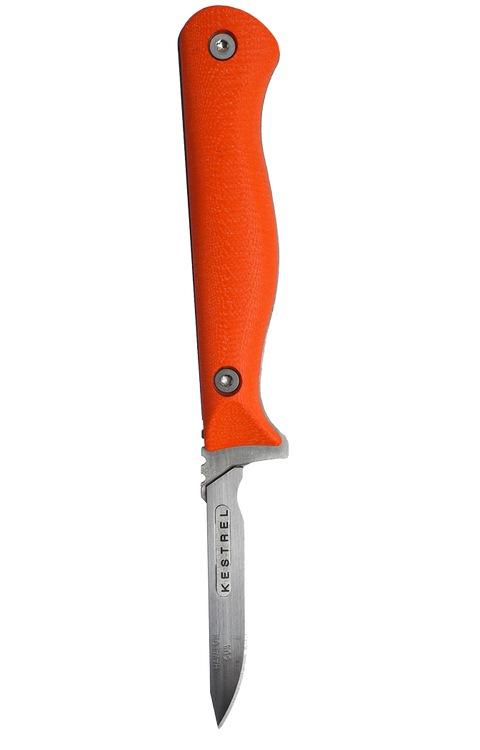
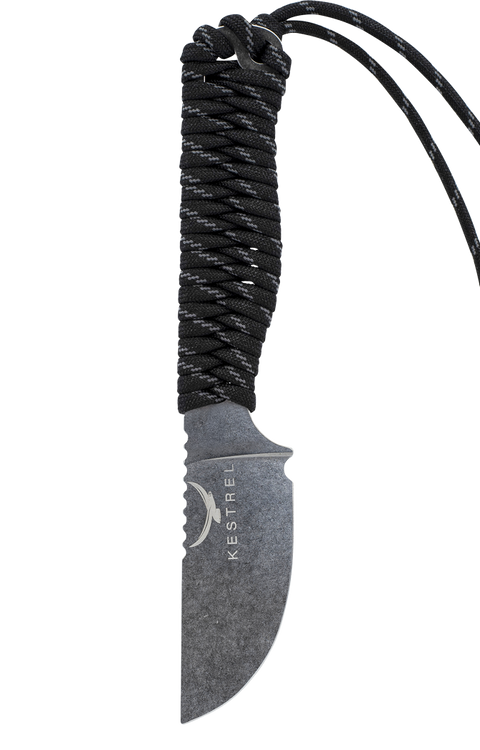
Product photos, shown at the same frame height, not to scale.
Four Knives. Four Different Jobs.
Ovis Hunter 2.0 — The All-Around Workhorse
Best for: Field dressing, skinning, quartering, and general hunting tasks.
If you're looking for one hunting knife to handle most of what you'll encounter in the field, this is where I'd start.
The Ovis Hunter 2.0 is our more traditional fixed-blade option, built around a 4.25-inch MagnaCut blade and a contoured G10 handle.
The blade has a slight upsweep, a useful belly for skinning, and a fine enough point for more controlled cuts.
That combination makes it versatile without trying to turn it into a specialized tool for every job.
The handle is another big difference. The 3D-contoured G10 gives you a fuller grip, which can be especially helpful when you're processing an animal and spending more time with a knife in your hand.
It's heavier than our skeletonized and scalpel models, but you're getting a more substantial knife in return.
Key Features:
- 4.25-inch MagnaCut fixed blade
- 8.5-inch overall length
- 3.3-ounce listed weight
- 0.090-inch blade thickness
- 3D-contoured G10 handle
- Kydex sheath with UltiClip 3.3
My take: For the hunter who wants one dependable knife that can handle the majority of field work, I'd recommend starting with the Ovis Hunter.
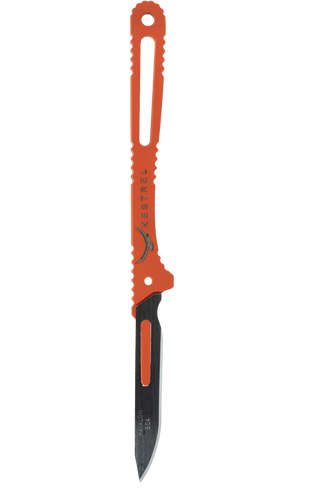
Mountain Scalpel 2.0 — For the Ultralight Hunter
Best for: Backpack hunts, replaceable-blade convenience, and precision cutting.
There's a reason replaceable-blade knives have become popular with backcountry hunters.
They're light, compact, and when your blade gets dull, you can swap it out rather than stopping to sharpen.
The Mountain Scalpel 2.0 takes that concept and keeps things simple.
The handle is machined from 6Al-4V titanium, and the Mountain Scalpel 2.0 weighs just 12 grams (handle only, no installed blade or sheath).
It comes with seven replaceable blades, so you have fresh edges ready when you need them.
There is a tradeoff, though. A scalpel isn't the same as a traditional fixed blade. It's designed for controlled cutting, not heavy-duty tasks or twisting and prying.
Key Features:
- 12 grams (handle only, no installed blade or sheath)
- Aerospace-grade 6Al-4V titanium
- Replaceable scalpel blade system
- Seven blades included: five 60A and two 70A
- Full jimping
- Ultralight Kydex sheath
My take: If you're building an ultralight hunting setup and like the convenience of replaceable blades, the Mountain Scalpel is worth a serious look. Just understand what a scalpel is designed to do and what it isn't.
Skeleton Skinner 2.0 — For the Skinning Work
Best for: Ultralight backcountry skinning.
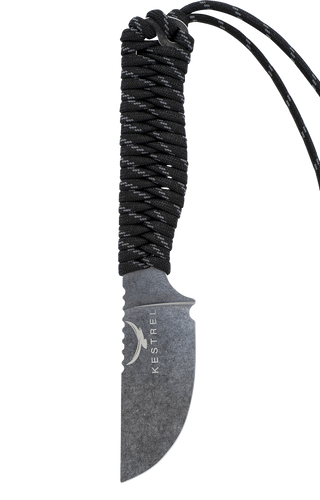
The Skeleton Skinner 2.0 is designed as a dedicated backcountry skinning knife, built to make quick work of processing game while keeping weight to an absolute minimum.
It's built around a 3-inch CPM MagnaCut blade on a skeletonized handle, with thumb jimping and a choil. You can choose a paracord wrap or no wrap.
At a listed 36 g (knife only), it's a purpose-built skinner for hunters who want that job done without the weight of a full G10 handle.
You can carry it as a dedicated skinning tool, pair it with an Ovis Hunter, or keep it in an everyday carry rotation. The product page puts it at home deep in the backcountry or around camp.
Key Features:
- 3-inch CPM MagnaCut fixed blade
- 36 g listed weight (knife only)
- 7.25-inch overall length
- 0.080-inch blade thickness
- 63–64 HRC listed hardness
- Skeletonized handle, paracord wrap
- Ultralight Kydex sheath
My take: If skinning is a big part of how you process game and you want a dedicated skinner that barely adds weight to your pack, the Skeleton Skinner is the one I'd look at.
Mountain Caper 2.0 — For the Detail Work
Best for: Caping, precision cuts, and hunters counting every gram.
If you've ever tried working around the eyes, ears, or nose of an animal with a large hunting knife, you know why a dedicated caping knife makes sense.
The Mountain Caper 2.0 was designed for those situations.
At just 19.5 grams (knife only, no sheath), it's incredibly lightweight, but the real advantage is the control you get from its compact 2.75-inch MagnaCut blade.
The fine point helps you work in tight areas, while the jimping gives you better control when making careful cuts.
It's not intended to replace a full-size hunting knife for every task. It's a specialized tool that does its job extremely well.
Key Features:
- 19.5-gram ultralight design (knife only, no sheath)
- 2.75-inch MagnaCut fixed blade
- 0.080-inch blade thickness
- 63–64 HRC listed hardness
- Full jimping for added control
- Ultralight Kydex sheath
My take: If you're serious about preserving a cape or want a dedicated precision knife that adds almost no weight to your pack, this is the one I'd look at.
Hunting Knife Comparison: Side by Side
| Feature | Ovis Hunter 2.0 | Mountain Scalpel 2.0 | Skeleton Skinner 2.0 | Mountain Caper 2.0 |
|---|---|---|---|---|
| Primary use | General hunting and processing | Ultralight precision cutting | Ultralight backcountry skinning | Caping and detail work |
| Weight | 3.3 oz (knife only) | 12 g (handle only, no installed blade or sheath) | 36 g (knife only) | 19.5 g (knife only, no sheath) |
| Blade length | 4.25" | Replaceable | 3" | 2.75" |
| Overall length | 8.5" | 7.125" | 7.25" | 6.875" |
| Material | CPM MagnaCut | 6Al-4V titanium handle | CPM MagnaCut | CPM MagnaCut |
| Blade thickness | 0.090" | Replaceable blade; 0.100" handle stock | 0.080" | 0.080" |
| Handle length | 4.25" | 4" | 4.25" | 4.125" |
| Blade system | Fixed | Replaceable | Fixed | Fixed |
| Sheath | Kydex with UltiClip 3.3 | Ultralight Kydex | Ultralight Kydex | Ultralight Kydex |
So, Which Knife Would I Choose?
Here's how I'd narrow it down.
If you want one knife to do most of the work: The Ovis Hunter 2.0 is my recommendation. It offers the versatility of a traditional fixed blade with a comfortable, full-size handle.
If you're counting every gram: The Mountain Scalpel 2.0 is an excellent option, especially if you prefer replaceable blades.
If skinning is the main job: The Skeleton Skinner 2.0 is the one I'd pick. It's a dedicated skinner at 36 g (knife only), built for backcountry work when weight matters.
If you're primarily caping animals: Go with the Mountain Caper 2.0. Its smaller blade gives you the precision needed for delicate work.
And depending on how you hunt, carrying two knives can make a lot of sense. A larger fixed blade for the main processing work and a small caping knife for the detailed cuts is a practical combination.
Built for the Field. Backed for Life.
No matter which Kestrel knife you choose, we want you to be confident in what you're carrying and the company standing behind it.
That's why we created the Kestrel For Life Program.
Every Kestrel knife is backed by our lifetime warranty against manufacturing defects, and we offer free lifetime sharpening, free return shipping for eligible U.S. sharpening services, and a fresh paracord wrap on Skeleton models.
We want you using your knives, not worrying about them.
Related Guides
- MagnaCut for Hunting Knives: Why It Works and How to Care for It
- How to Choose a Caping Knife
- Kestrel For Life
Still not sure which model is right for you?
Reach out to us. Tell us what you hunt, how you hunt, and what you're looking for in a knife.
We're always happy to help you find the right fit.
— Team Kestrel